
The Inside Scoop – Puppy Mills
Published: 05/06/2026
By Jessica Henry-Johnson, Executive Director
His name was Che – like the Argentine revolutionary. But at eight weeks-old – and also because he was a dog – he couldn’t have known how he might one day help revolutionize animal welfare in our area.
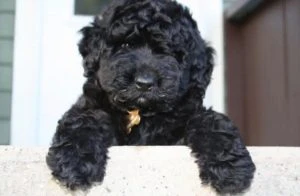
Seventeen years ago, the illustrious Golden Doodle had just hit the market, and it seemed that everybody had to have one. My partner at the time had just lost his German Shepherd who was the light of his life, and also the cause of his allergies. Once his heart had healed, he was perusing the Peddler’s Post (for younger readers, that was the Facebook MarketPlace of the early aughts).
I had not yet begun my career at Humane Fort Wayne, but I was already aware of the dangers of puppy mills.
I tried to convince my partner that we should wait until we found a curly-coated shelter dog, but the emotions were high, and he wanted a puppy, and apparently the guy from the Peddler’s Post seemed nice on the phone.
We drove out Hobson Road and before long found ourselves on roads without utility poles. I knew it! We were headed straight for the dreaded Amish Puppy Mill. But we’d already come that far. “Perhaps we should just have a look,” we said. The breeder was expecting us, after all.
Out trotted two of the fluffiest little puppies I’d ever seen. Sure, they had straw in their fur and were snacking on what appeared to be horse manure in the driveway, but they were adorable. And they were for sale for just $300 or $500 for both! But it was hard to have a real conversation because behind a four foot fence were several other puppies – all kinds of breeds – yapping away.
Given the poor conditions of the home and the cluttered shed/yard where the dogs were kept, we knew we had to buy Che because it felt like we were “rescuing” him after all.
And that’s the rub. For all of us who’ve ever gone “just to have a look,” few of us have left without a puppy, because it’s just that bad.
When his cute little curls started falling out, Che was diagnosed by our vet with two types of mange, and he had worms too. It took a few months to clear him of everything, and even longer for his fur to come back. Che also exhibited behaviors that I now recognize as common to puppies who are separated from their mothers too soon. We never knew what became of Che’s brother.
I’ve been around long enough now to have learned that puppy mills have come a long way. For every seedy, rural Indiana puppy mill selling puppies for whatever price they can get, there are well-marketed and slick operations, advertising online, using professionally-lit photography. They’re selling every kind of “doodle” under the sun. Want a St. Bernardadoodle? They got that. All you have to do is sell your soul.
This is Puppy Mill Action Week in America. And until last week, that may not have meant much to a lot of us in northeast Indiana.
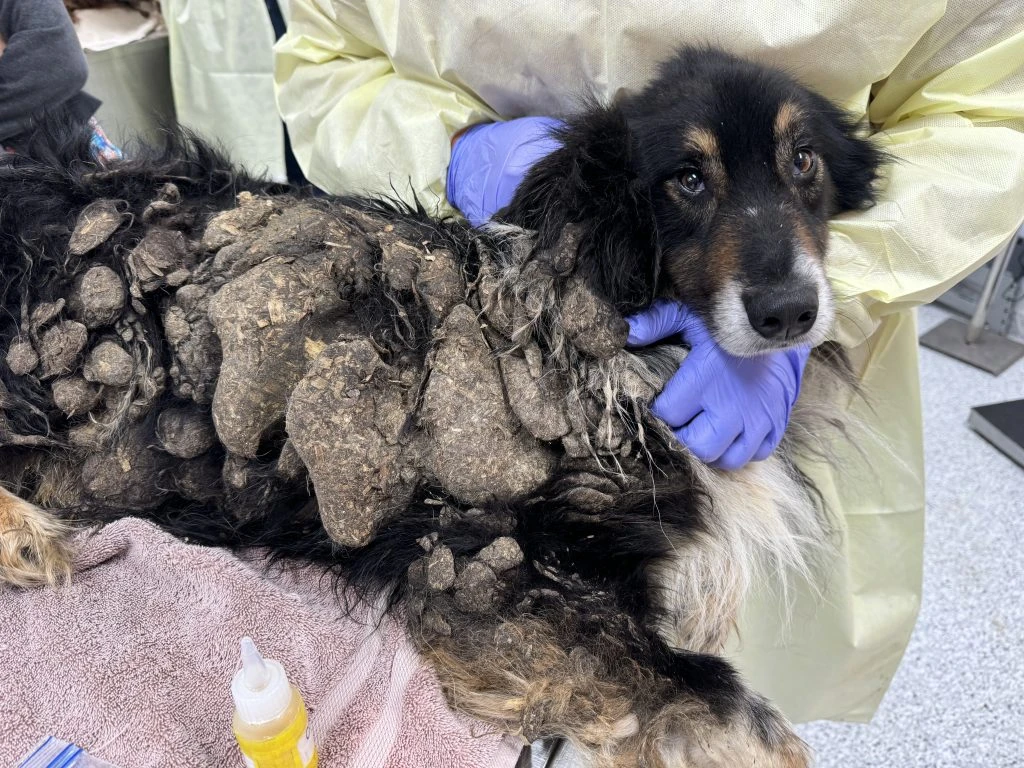
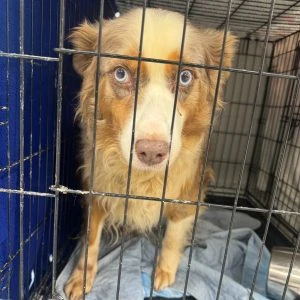
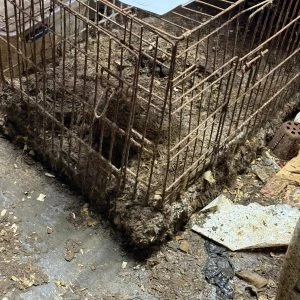
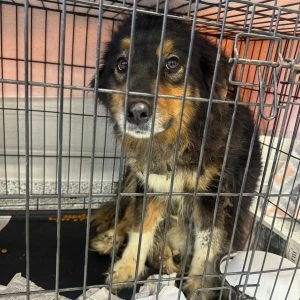
On Monday, April 27th, Humane Fort Wayne assisted the DeKalb County Sheriff’s Animal Control Officer with the confiscation and rescue of 43 Australian Shepherds. Those purebreds’ (insert air quotes) living conditions were so filthy that many of them had to be cut free from their cages because the accumulation of feces and urine had plastered them shut…for who knows how long. Multiple dogs had to be sedated and shaved to the skin as their mats of fur and waste had left several unable to walk. The matted coat shaved from one of the dogs weighed more than 7 lbs. Many were under weight. All were terrified.
The time for a frank and honest discussion about puppy mills is long overdue.
There are an estimated 10,000 puppy mills in the United States, fewer than 3,000 of which are regulated by the USDA. According to a report recently released by Humane World for Animals, there are 13 states that are home to puppy mills’ worst one hundred offenders. And in our area, puppy mills in Grabill, Woodburn, and Napanee made the list. What a disgrace.
Perhaps you’ve scrolled past an ad that depicts an irresistible little pup. It states something like, “Your puppy is so cute. Have you seen its mother?”, followed by a photo of a sick and matted dog, living in the squalor of a puppy mill. The thought of it makes you turn your head and pretend it’s happening somewhere else.
But now we’ve all seen it for ourselves. Humane Fort Wayne revealed the shocking horrors of a real life puppy mill from our neck of the woods. And now?
It is past time that Indiana put real measures in place to ban puppy mills and commercial breeding facilities altogether. Heaven knows there are plenty of adoptable animals in every shelter in the US. And for those looking for a specific breed of dog, the Northeast Indiana Kennel Club can guide you to a reputable breeder who respects the lineage and health of the animals they breed. We don’t need mass commercial breeding or puppy mills to find the perfect pet. And by ending puppy mills, we can end the suffering of unknown numbers of animals kept in cages while their offspring are sold off without the least bit of concern for their future – the puppies or their parents.
For decades, we in rescue have been asking, “Where is the outrage?” But I can feel it, bubbling to the surface. After years of the Indiana Statehouse turning a blind eye to the suffering that occurs in puppy mills and large commercial breeders, Hoosiers are beginning to demand change.
A step in the right direction would be to repeal legislation passed in 2024 that nullified local ordinances across the state established to prevent the sale of commercially-bred dogs in local pet stores. And, after that, we can get to work on shutting down puppy mills and mass commercial breeders all together.
Stanley and Angela Gard who owned the aforementioned unlicensed Australian Shepherd breeding operation in DeKalb County were arrested late last week, and each was charged with 46 misdemeanors for animal cruelty and operating a commercial breeding facility without a license. In no time they were out on a paltry $500 bond. They’ll be in court in a few weeks. We can only hope the DeKalb County Prosecutor believes in protecting innocent dogs as much as everyone else does.
Tips for Spotting a Puppy Mill:
- The breeder refuses to let you see where the dogs are raised, refuses to show you the mother, and/or offers to meet in a random location like a parking lot.
- The breeder sells many different breeds or has puppies available year-round.
- Pups are sold primarily through websites, pet stores, or online marketplaces.
- Puppies are unhealthy, with runny noses, lethargy, or dirty coats. They may smell bad and seem stressed or fearful.
- The breeder does not provide vet-checked papers, proper vaccinations, or health clearances on vet letterhead.
- The breeder will not take the dog back if you can no longer care for it.
Humane Fort Wayne is committed to keeping the issue of puppy mills front and center. For more information on how to get involved in our efforts, visit humanefw.org/advocacy.
Though Che is no longer here (he died young, likely the result of poor breeding) his memory and the sweet faces of all the mill dogs I’ve seen since coming to Humane Fort Wayne are all the encouragement I need to keep fighting.
Educate. Legislate. Liberate.